
The Iron Maiden Isn't Medieval
The iron maiden is the most famous "medieval" torture device. It first shows up in 1793.
Younger than the French Revolution
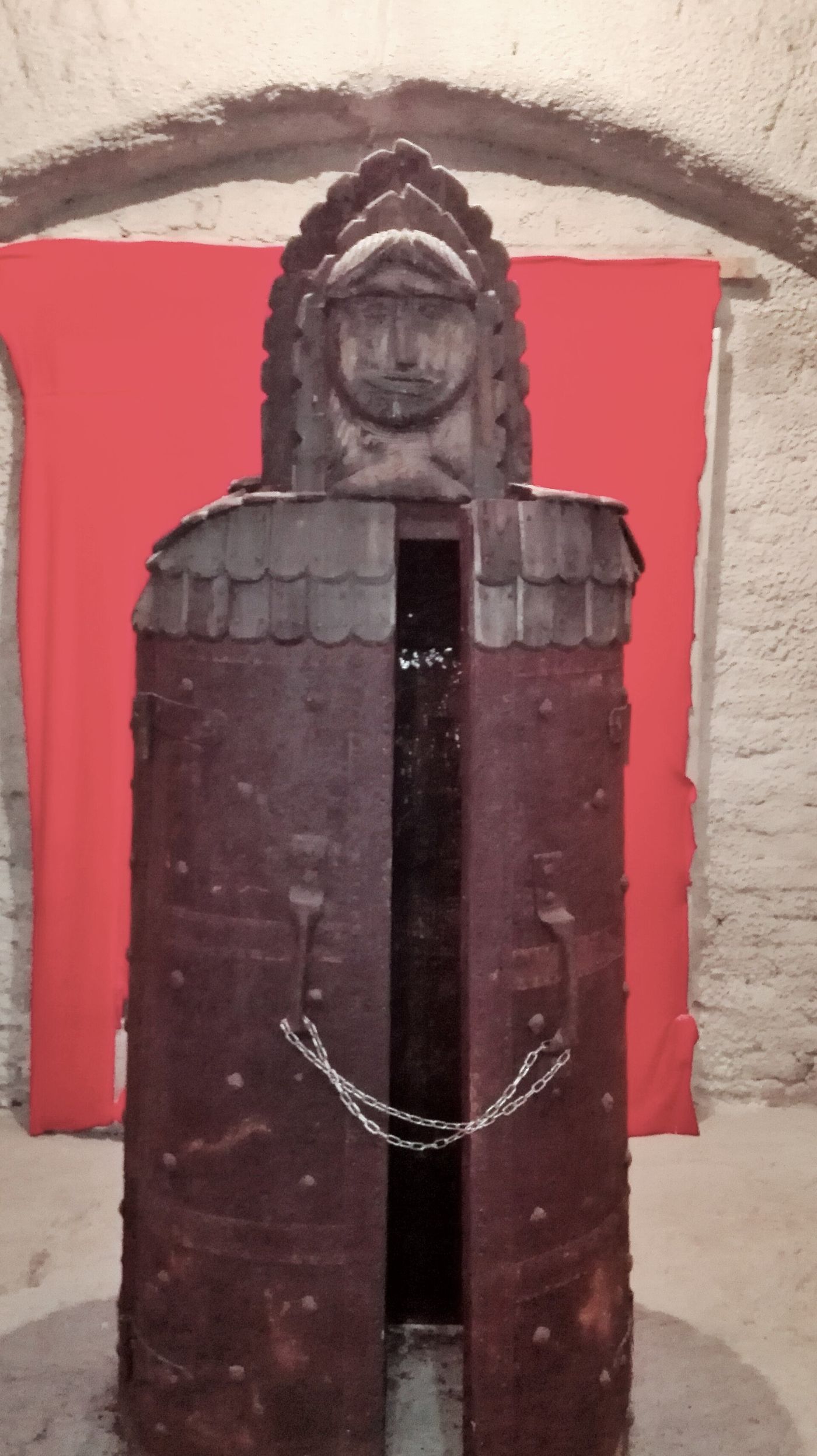
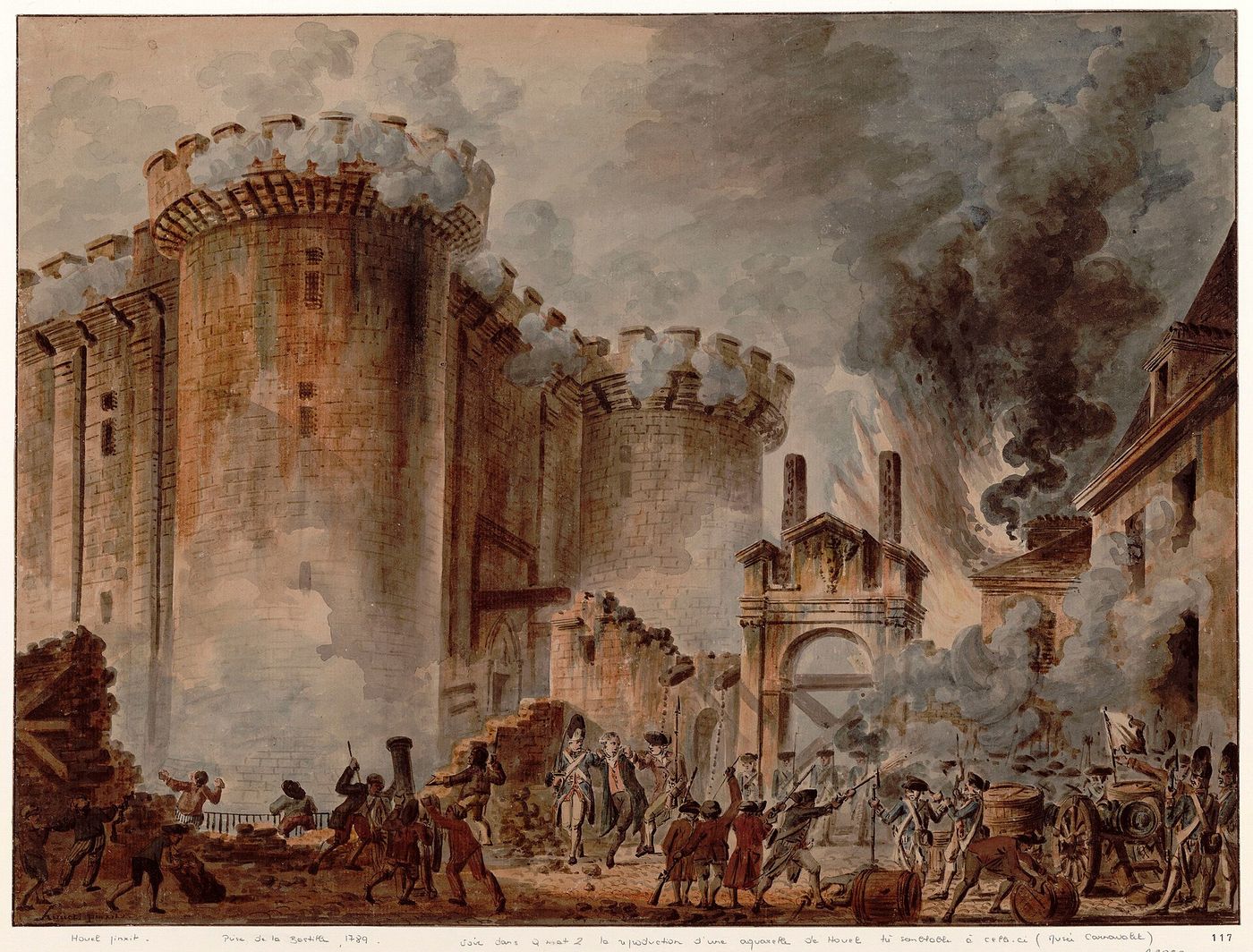
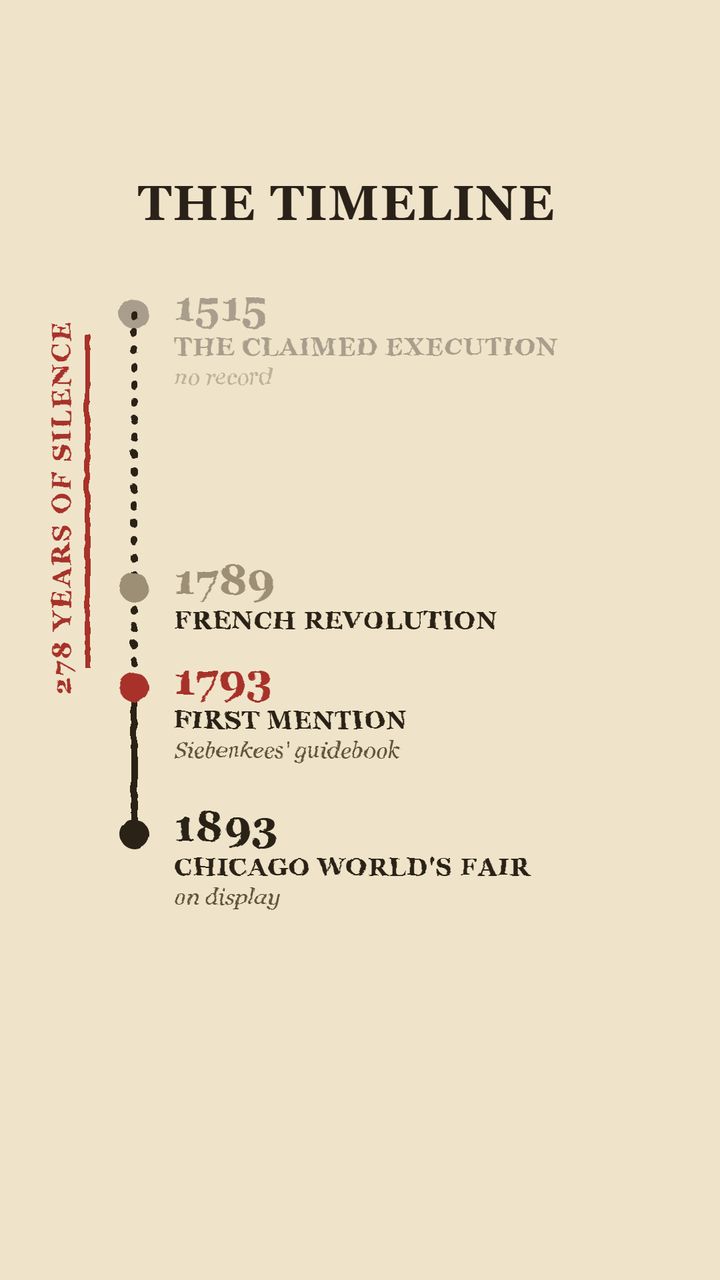
The iron maiden is the most famous "medieval" torture device, and most people assume it belongs to the Middle Ages. Yet the first time it shows up is 1793, a few years after the French Revolution began in 1789. In other words, the iron maiden is younger than the French Revolution.


A guidebook and a claim
In 1793 a German writer, Johann Philipp Siebenkees, published a guidebook to Nuremberg. In it he claimed that the city had used an iron maiden in 1515 to execute a coin forger.
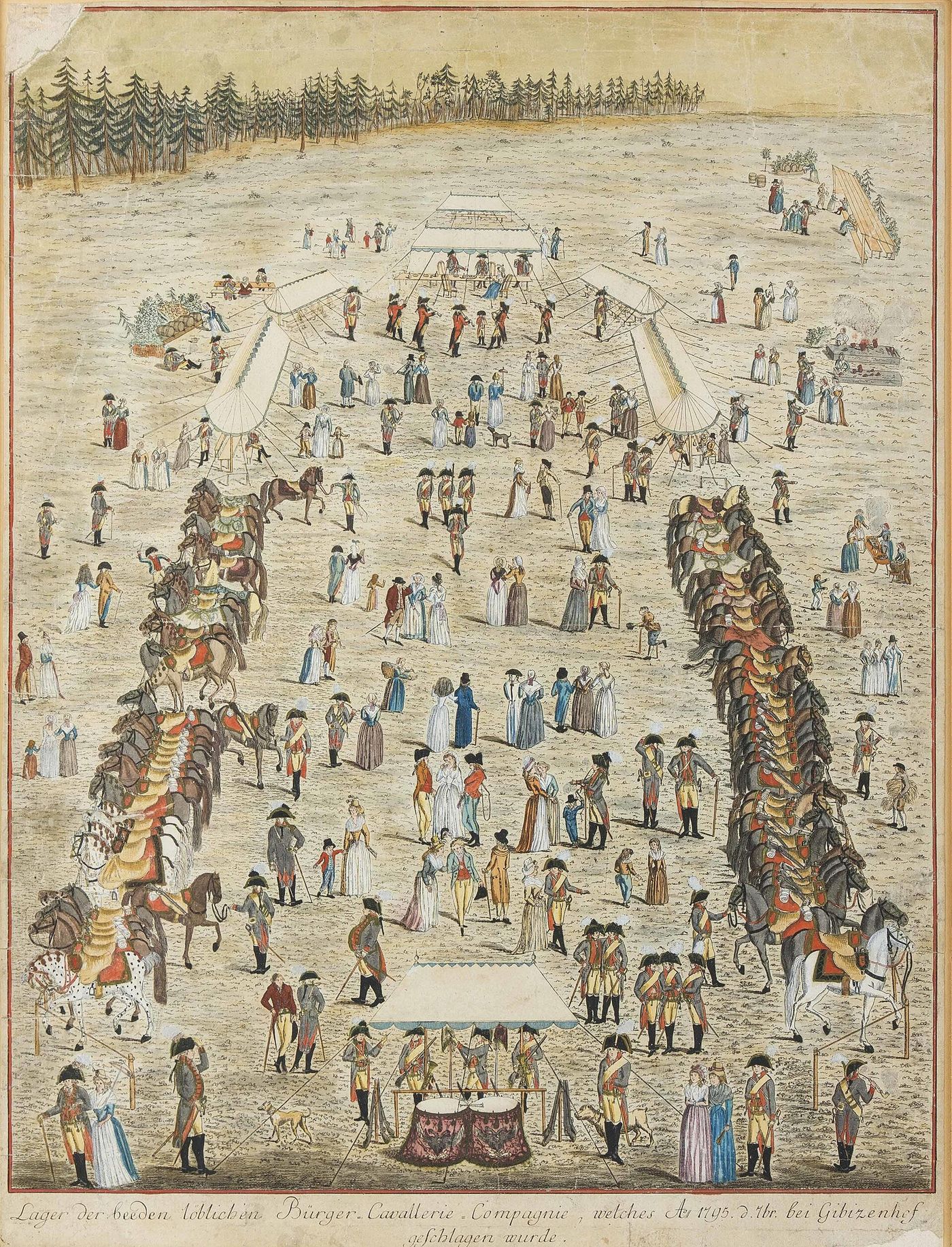

The problem: nobody has found a single record of that execution, and there is no evidence that such a device existed at the time. Historians think Siebenkees may simply have made it up. Medievalists.net calls the story likely invented, while Sky HISTORY says it is impossible to tell. Either way, nothing from 1515 backs the claim.
Put the dates side by side and the gap is striking. Between the execution Siebenkees described and the first time anyone wrote about it lie 278 years, with not a single record in between. A torture device that supposedly existed in the early 16th century leaves its first trace in a guidebook written at the end of the 18th.

How a story became an object
True or not, the story sold. By the early 1800s, iron maidens were on display in Nuremberg and in other cities. Engravings like the one below showed a secret court and its spiked machine as if they were real history.
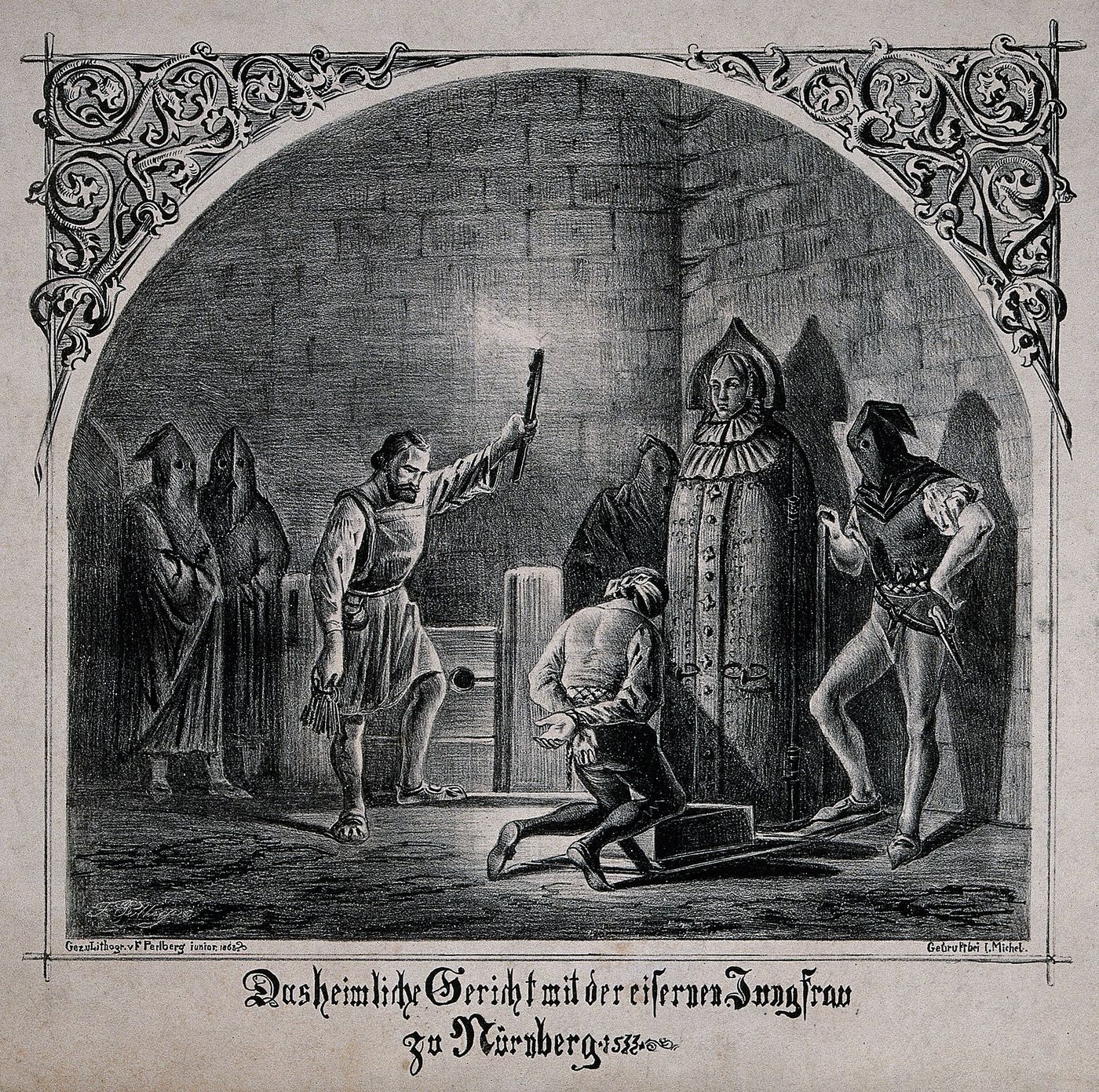

Once real objects stood in rooms where visitors could see them, the device gained a kind of authority that a single sentence in a guidebook never had. An iron maiden on display looked like evidence, even though nobody had shown that any of them dated back to the Middle Ages.
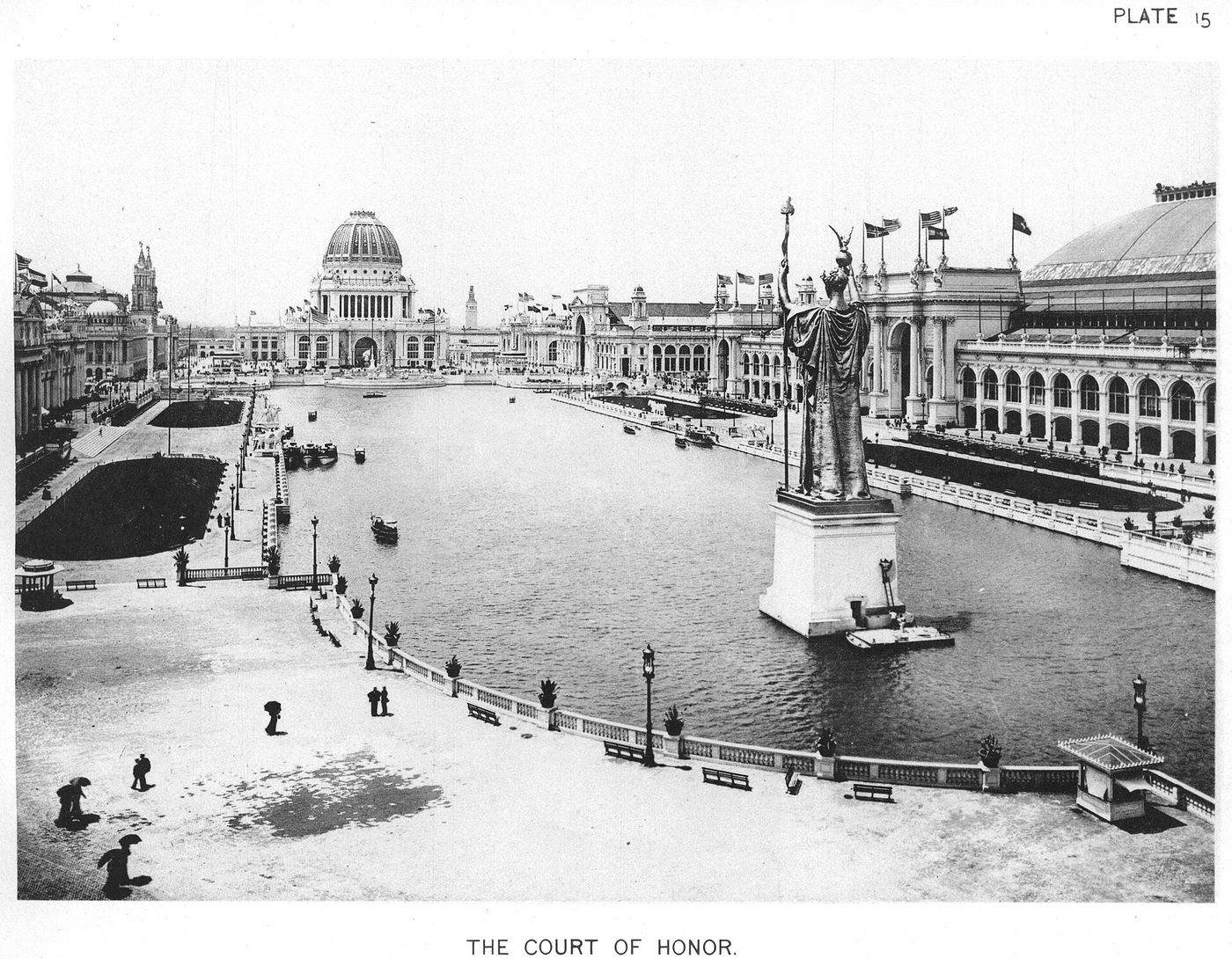
The fame spread far beyond Germany. One iron maiden even made it to the 1893 World's Fair in Chicago, a full century after Siebenkees first wrote about it.

What became of the iron maidens
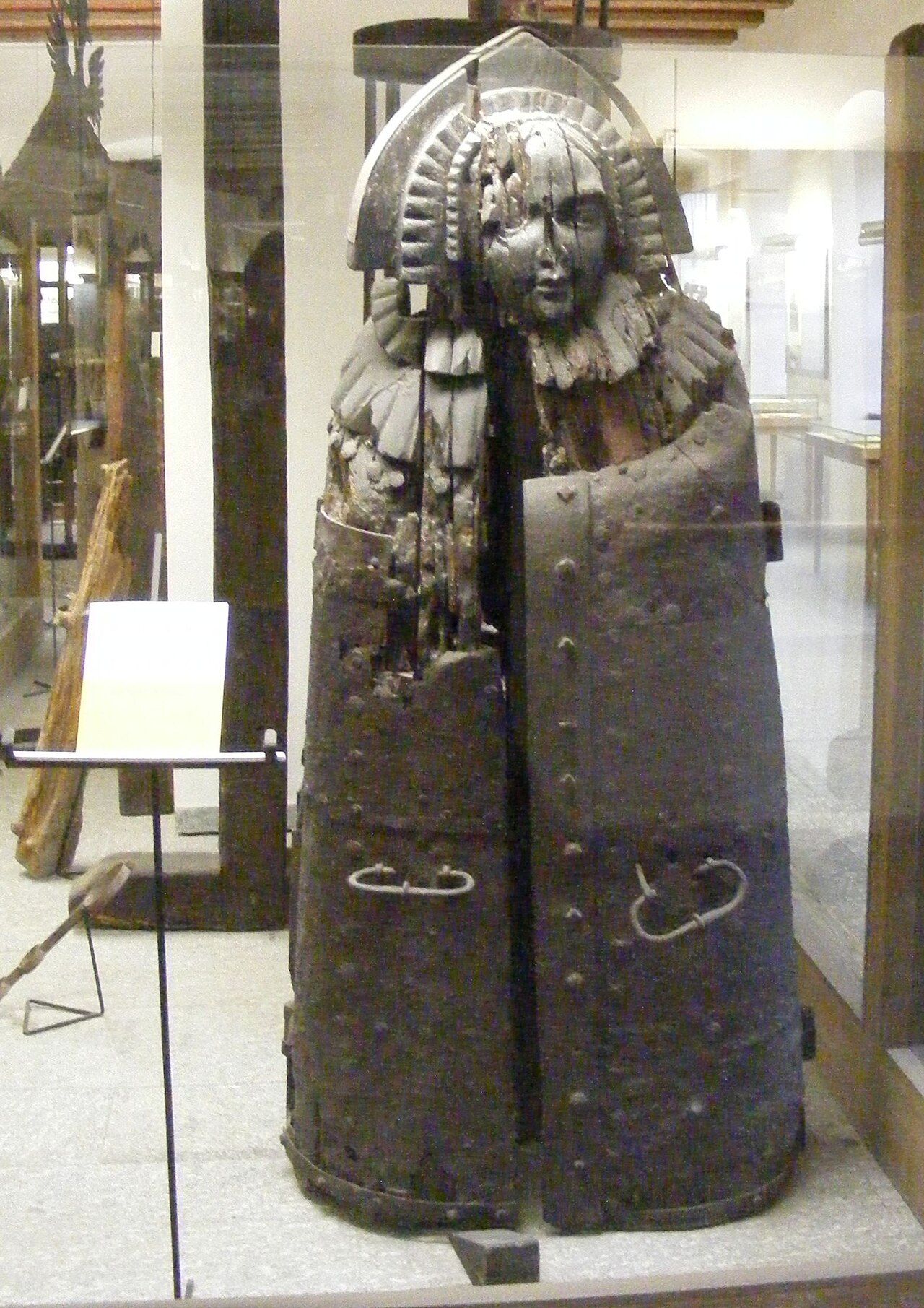
The Nuremberg iron maiden was destroyed in the Second World War. By then, historians already knew it was a fake. The sources disagree on the exact year of its destruction, so we do not give one.
And the one in Rothenburg ob der Tauber? The Medieval Crime Museum there says its iron maiden was used for public shaming, and that the spikes were added later. That is the museum's own account, and we report it as such. If it is right, the object was meant for shaming, and the spikes that make it look like a killing machine are a later addition.

So the next time someone calls the iron maiden medieval, remember: as far as the evidence goes, it is younger than the French Revolution.