
The King Who Refused a Surrender
In 1304, Stirling Castle tried to surrender. Edward I said not yet: he wanted to test his new siege engine first.
A surrender that came too early
In 1304, Edward I of England had Stirling Castle in Scotland under siege. At some point the Scottish garrison was ready to give up and offered to surrender. Normally that would have been the end of the story. Not this time.
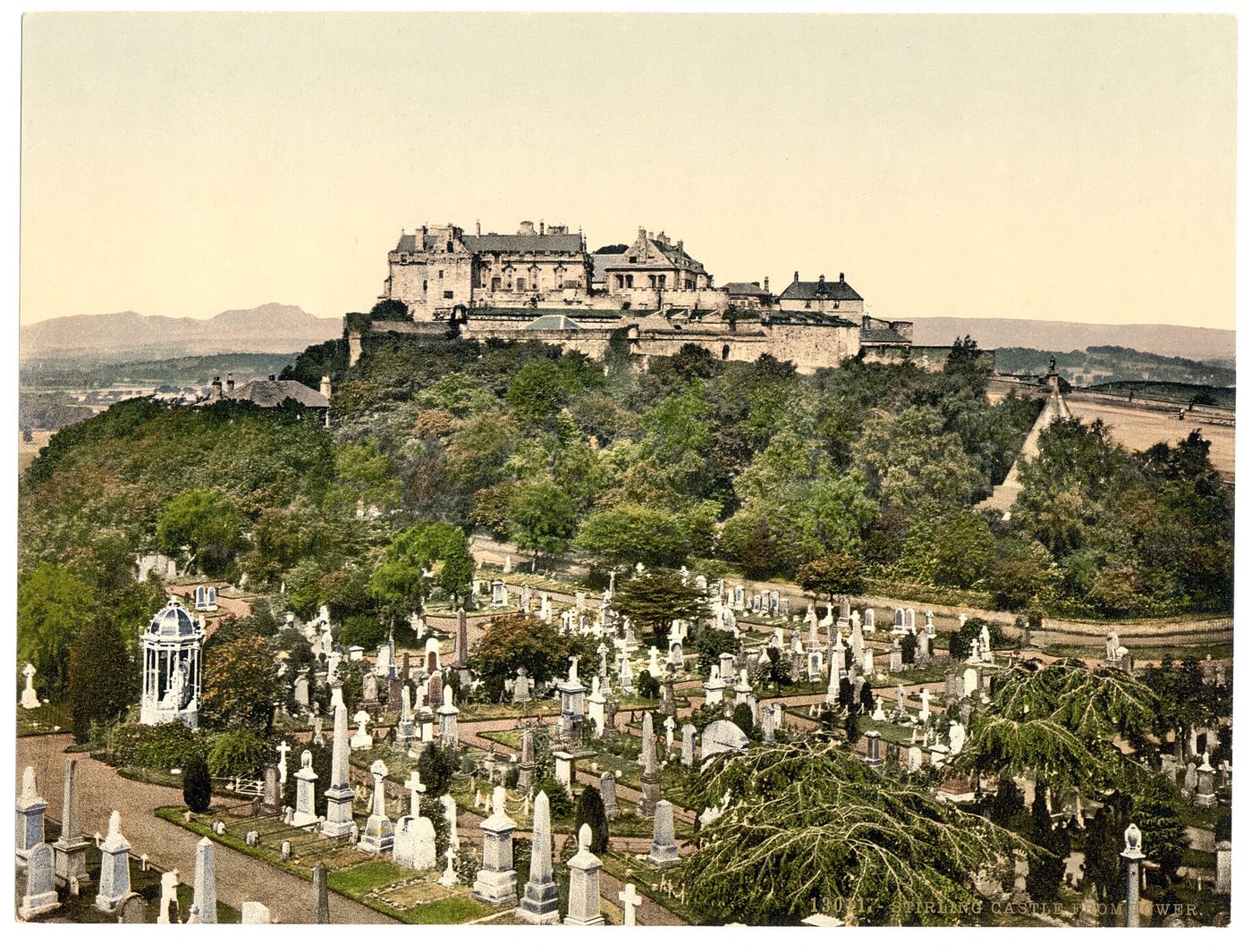

As Medievalists.net puts it, the garrison commander Oliphant offered his surrender, "but Edward had not quite finished". The king had a new siege engine on site and he wanted to see it work. The garrison's offer was refused until the new machine had been tested, and only then was the surrender accepted.
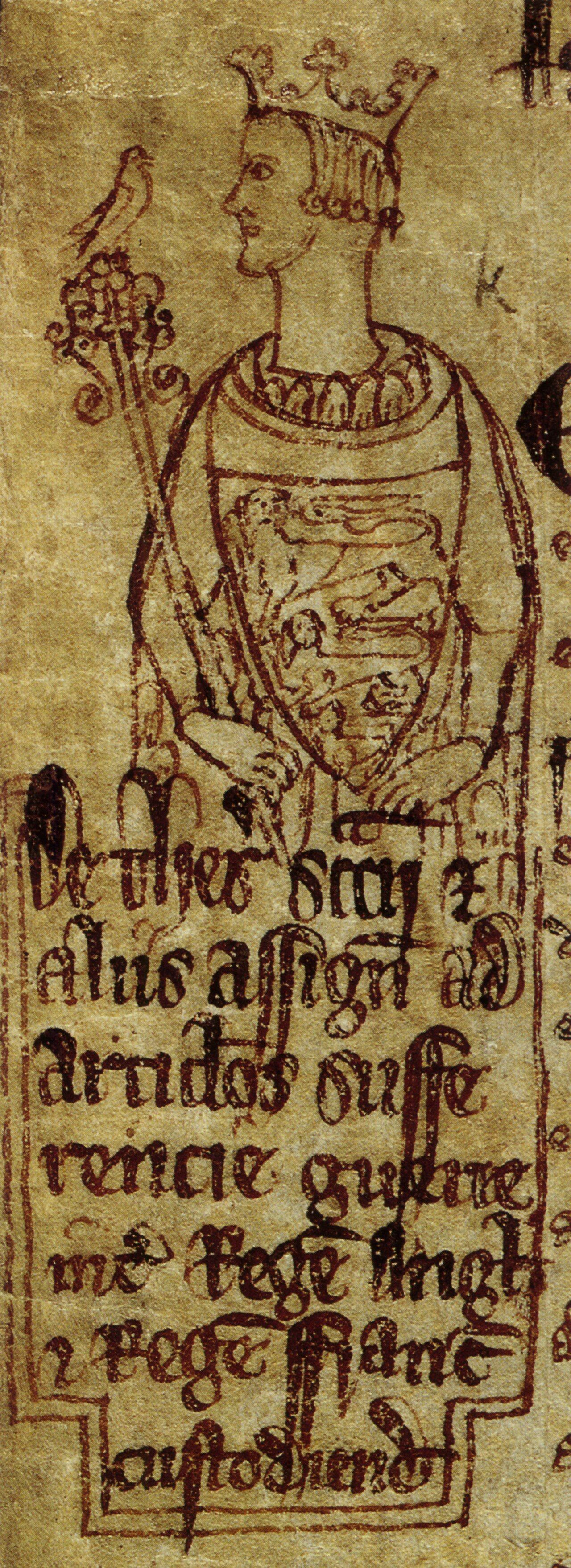

The king's instructions, quoted by Medievalists.net, were blunt: no one was to enter the castle until it had been struck with the Warwolf. In other words, the castle was not allowed to surrender before it had been hit.
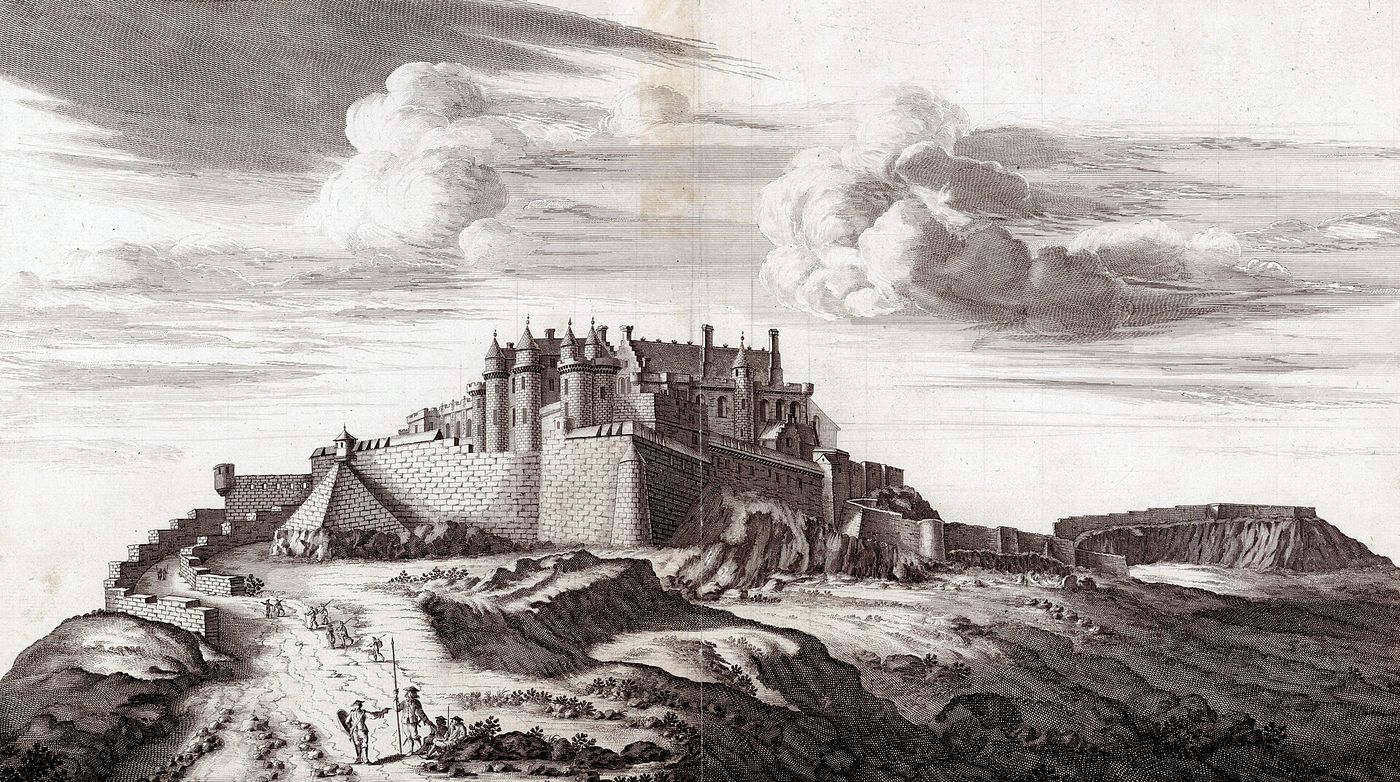

What was the Warwolf?
The Warwolf was the name of Edward's new engine. What exactly it looked like is not settled by our sources, so we have to be careful. Medievalists.net says it is "usually assumed to have been a giant trebuchet", and that is the view most historians take. So when we call it a trebuchet, that is the most likely answer, not a certainty.
That caution matters. A good story tends to grow in the retelling, and the Warwolf is a very good story. Its core, though, is well supported: the siege took place in 1304, the garrison offered to give up, and the king held back the surrender until his engine had been tried. Medievalists.net quotes his instruction directly.

How a trebuchet works: a see-saw that hates you
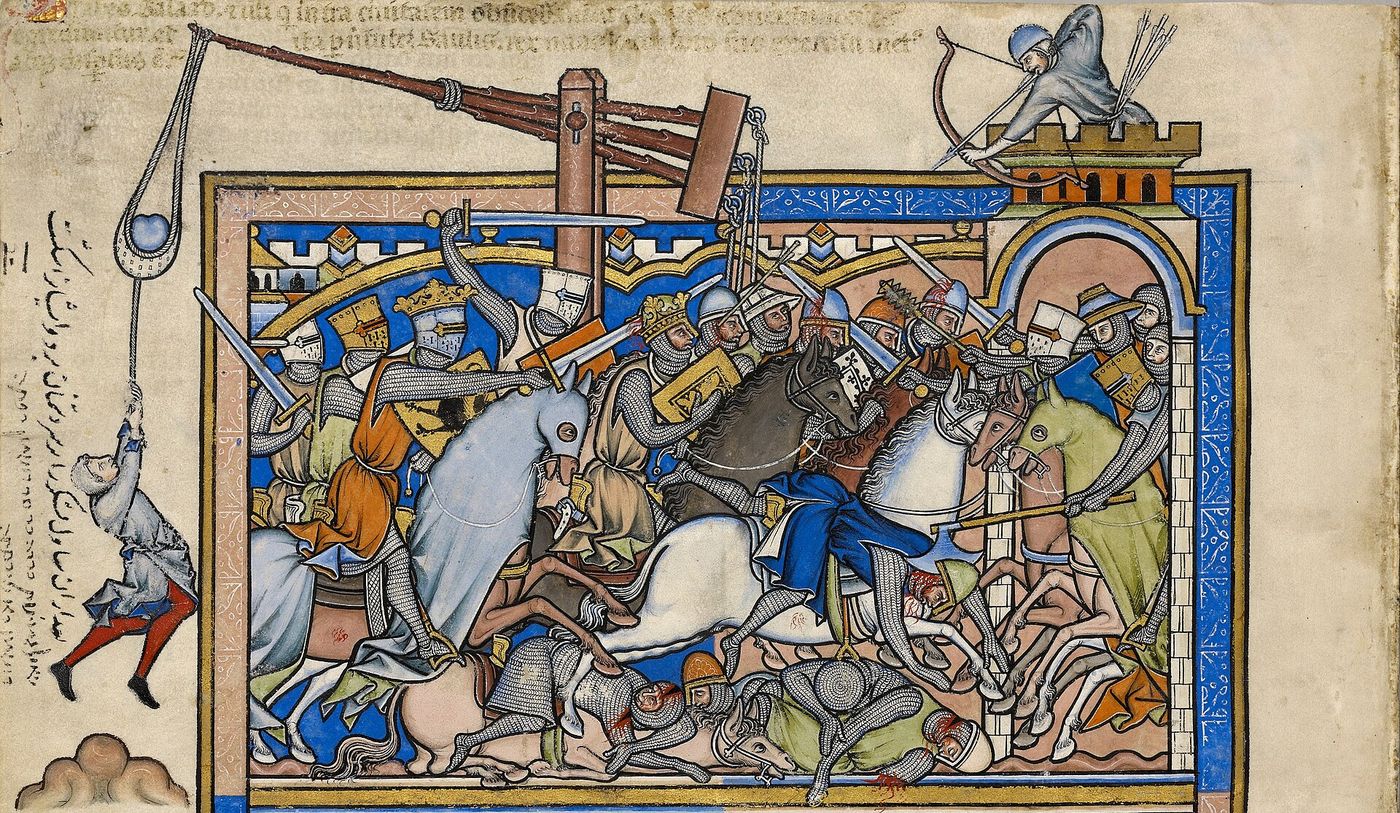
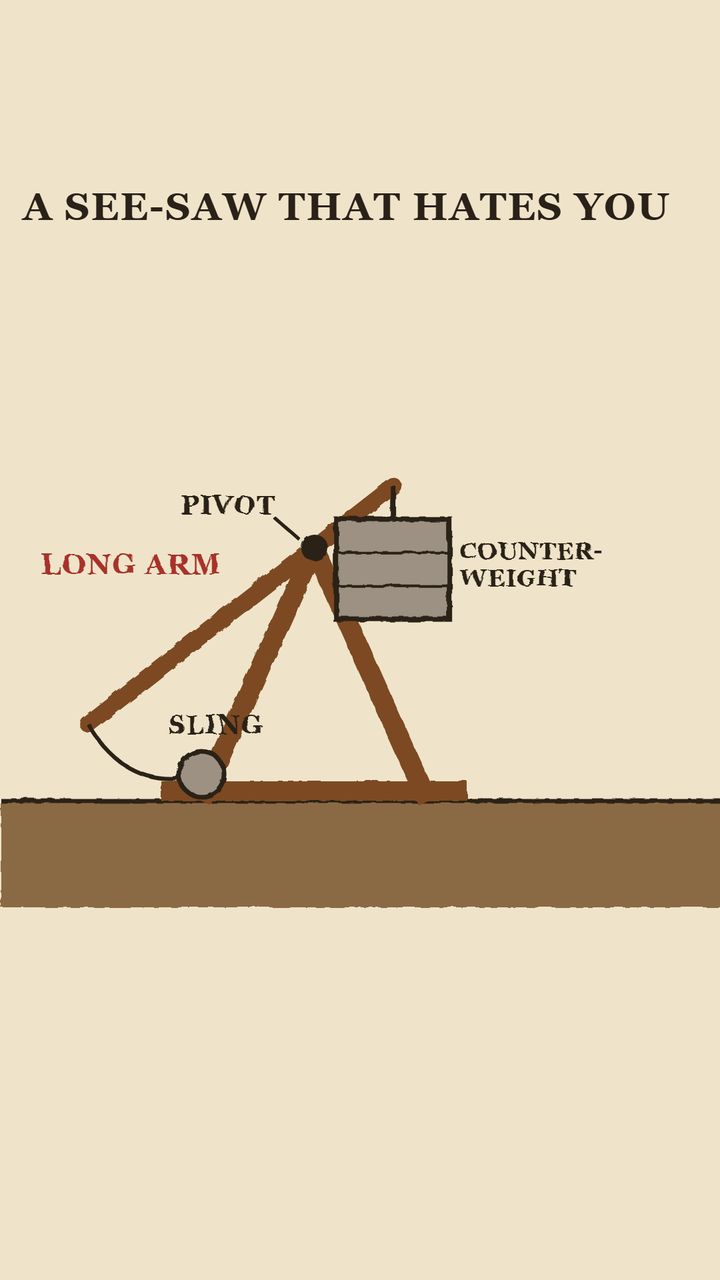
A counterweight trebuchet is basically a giant see-saw. A long arm turns on a pivot. On the short end hangs a huge counterweight. On the long end there is a sling holding the stone. The name says it all: like a see-saw, one side goes down so the other side can go up, only here the side that goes up is carrying a rock aimed at your walls.
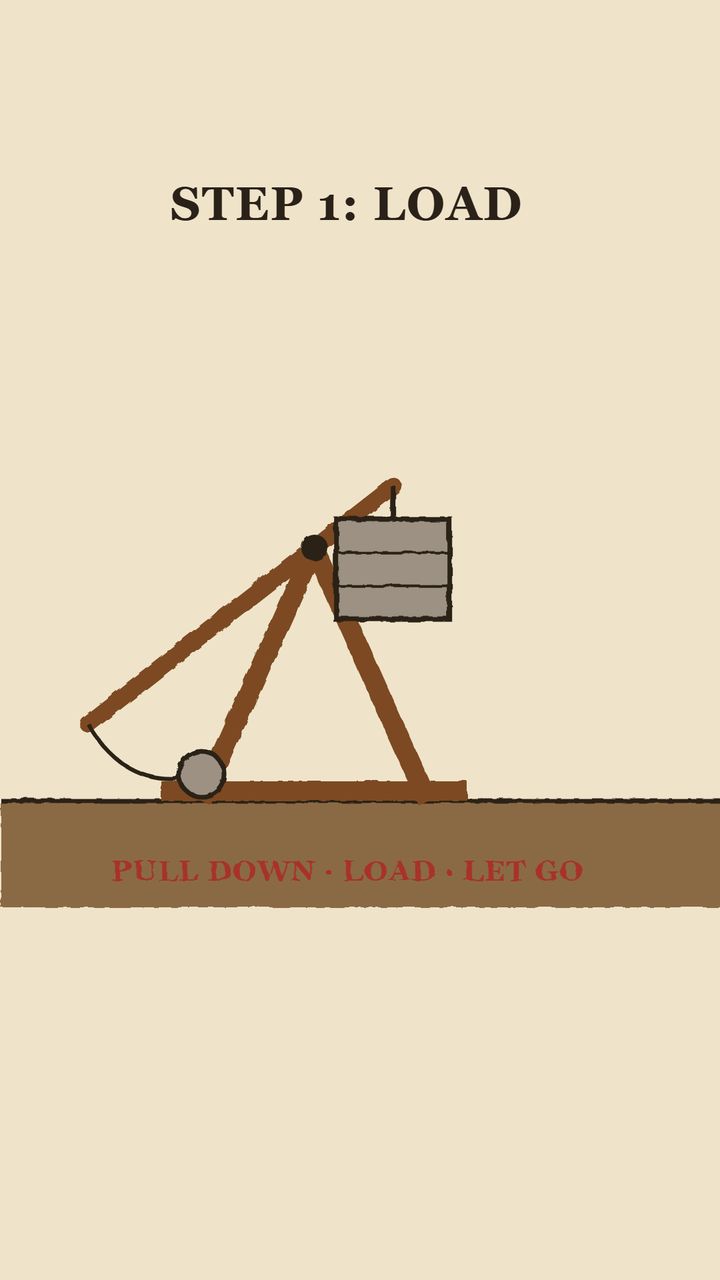
To fire it, the crew pulls the long end of the arm down, which lifts the counterweight into the air. Then they load the stone into the sling and let go.
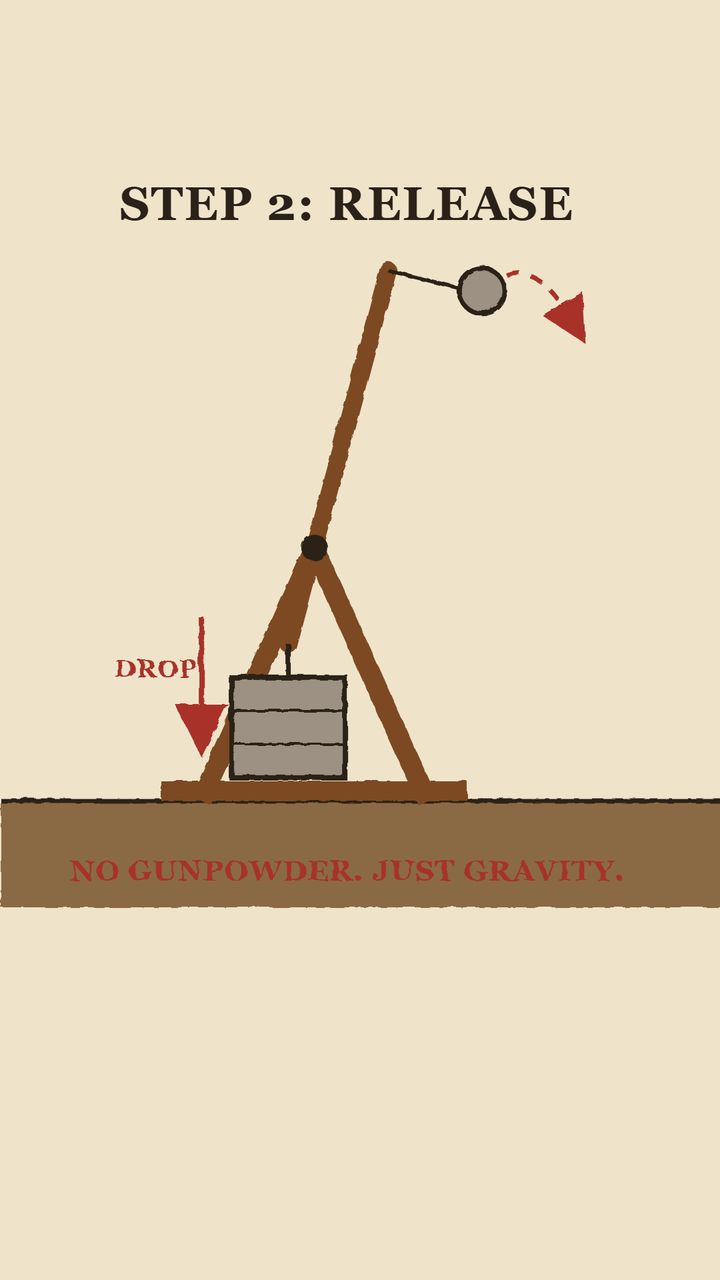
The weight drops, the arm whips up, and the sling flicks out like the end of a whip, flinging the stone. The sling matters: it effectively lengthens the lever, so the stone gets more out of the swing than the arm alone could give it. There is no gunpowder involved at all. The whole machine runs on gravity.
What we left out, and why
Some details of this story are often repeated but disputed in the sources, so we kept them out. The exact date of the surrender is given as either 20 or 24 July. The size of the garrison is reported as 30, or as 50 or 120. We also left out specific ranges and weights for the Warwolf, the popular claim that it was the biggest trebuchet in history, and any description of how much damage it actually did.
What remains is solid enough: in 1304 a castle tried to surrender, and the king said: not yet.