
The Castle That Fell Through the Toilet
Richard the Lionheart built a super-castle. It had one weak spot: the toilet.
Richard's castle and the siege of 1203
Château Gaillard was built by Richard the Lionheart in the 1190s, between 1196 and 1198, at Les Andelys. It stands high above the River Seine, and it was meant to be a super-castle: a fortress on a commanding height over the river.
Within a few years it was under attack, and in the spring of 1204 it fell. How it fell is usually told as a long story of siege warfare. Here we focus on one well-sourced detail that is easy to overlook and hard to forget: the castle's weak spot was its toilet.
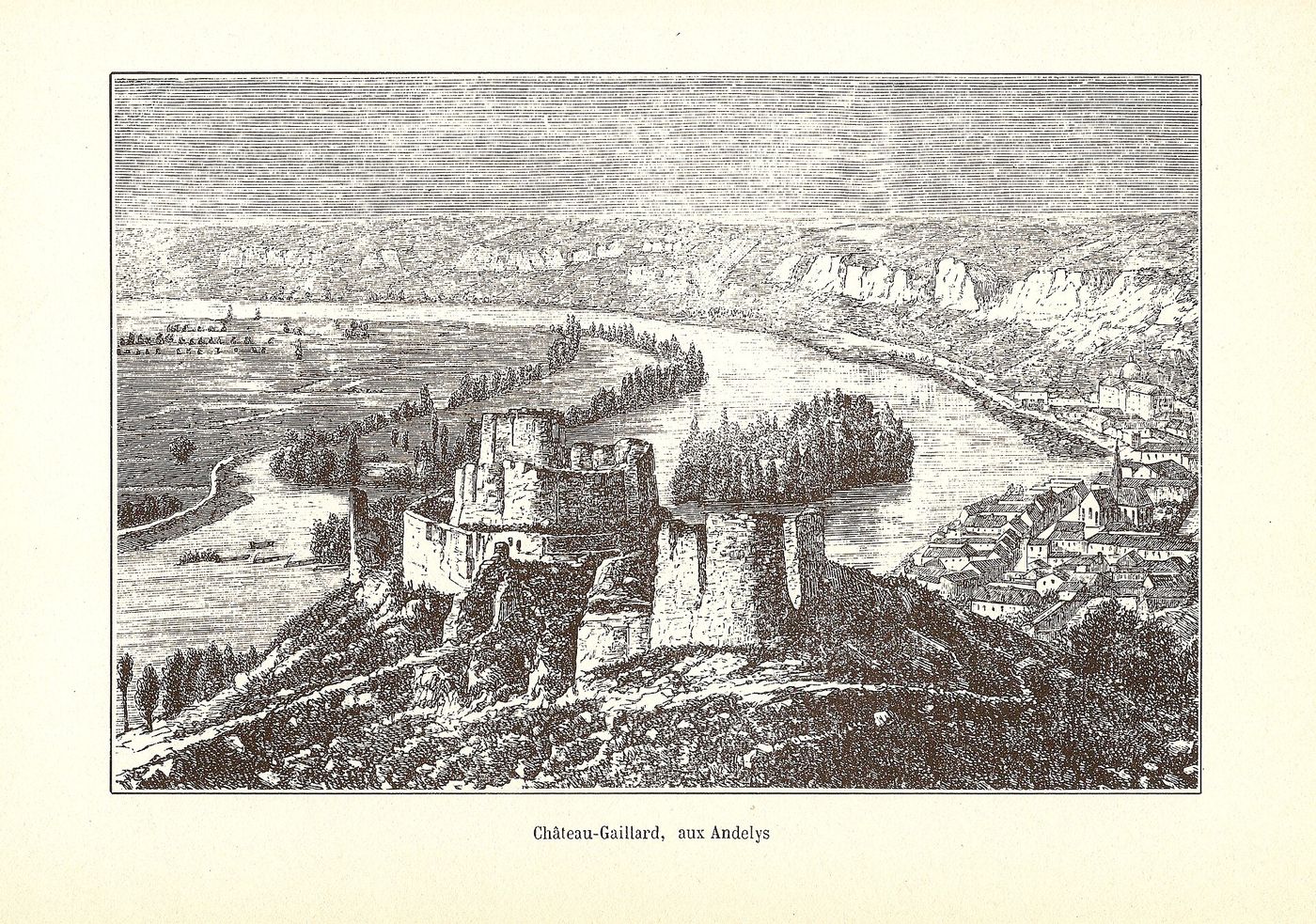



In September 1203 the French king, Philip II, laid siege to Château Gaillard, and the siege dragged on into the following year. The full story of the siege is long. This page is about one detail of it, and a rather unglamorous one: the toilets.


How a castle toilet worked
Castle toilets were called garderobes. A garderobe was a small chamber built into the wall, with a seat over a hole. Whatever went into the hole simply dropped down and came out on the outside of the wall. It was a simple arrangement that kept the waste away from the rooms inside, and surviving garderobes can still be seen in castle walls, like the two examples below.
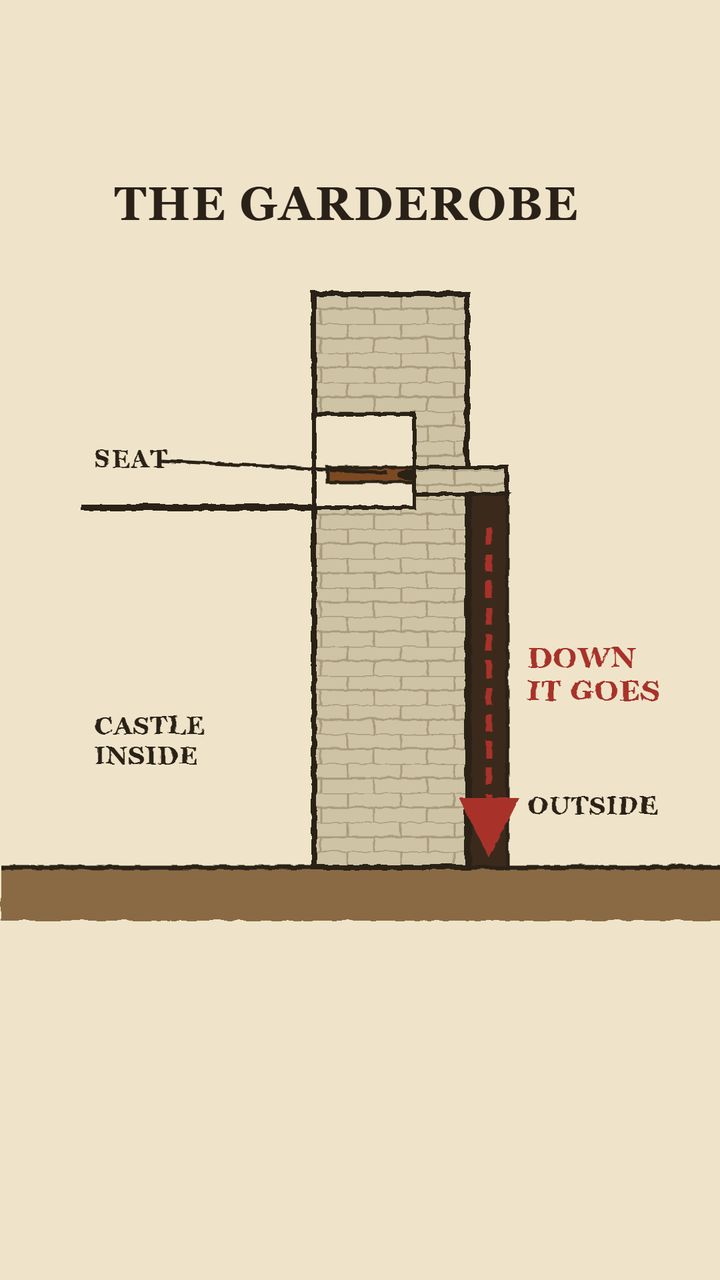
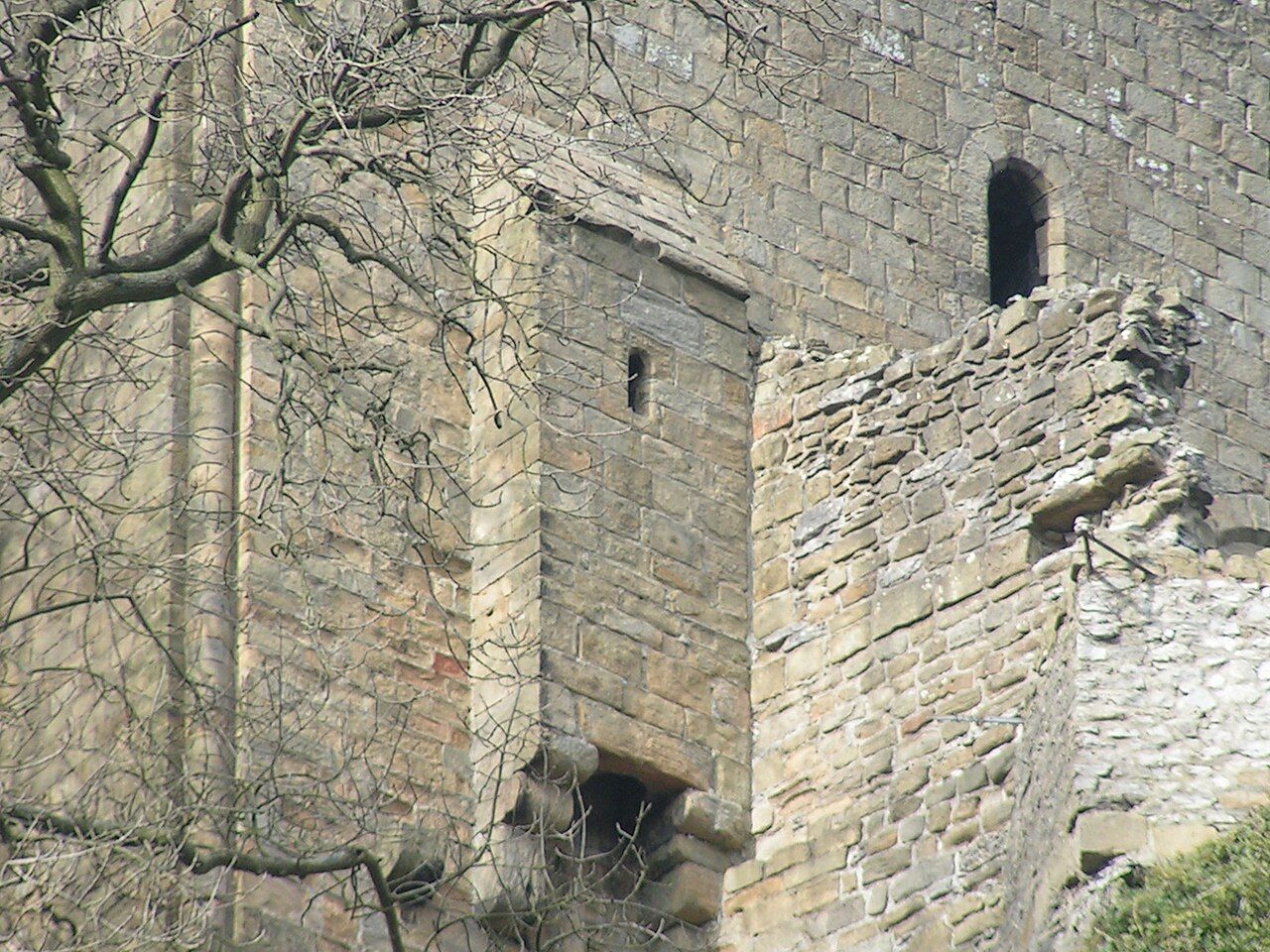

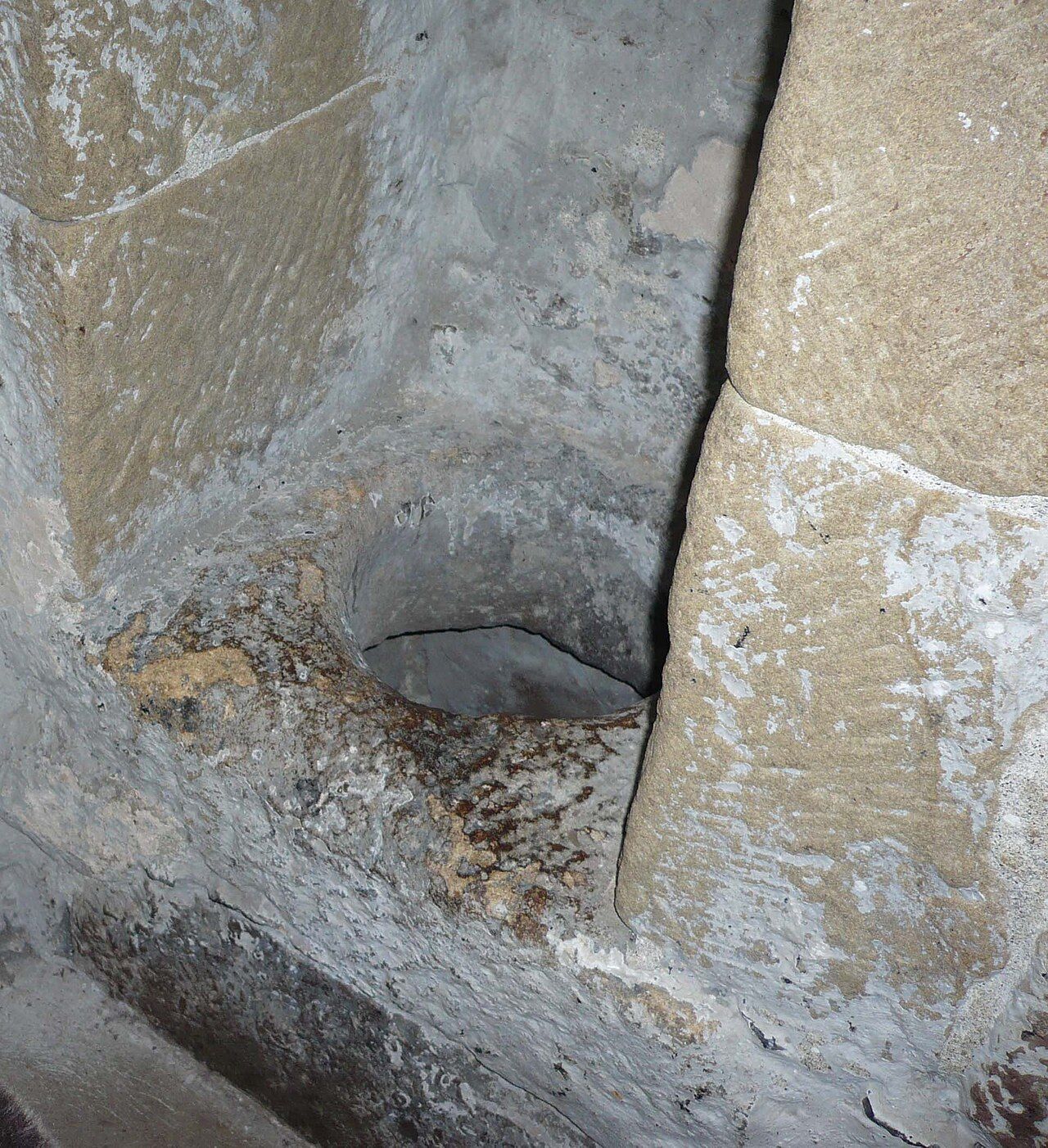

That design has an obvious consequence. If waste can go down and out, there is a shaft. And a shaft that leads down to the outside also leads up, into the castle.
In through the latrines
Our account of what happened comes from Guillaume le Breton, the French king's chaplain, who was there as an eyewitness. According to him, a few soldiers got into the castle through the latrines situated under a chapel that adjoined the rampart. In other words, the attackers came in by way of the latrines.
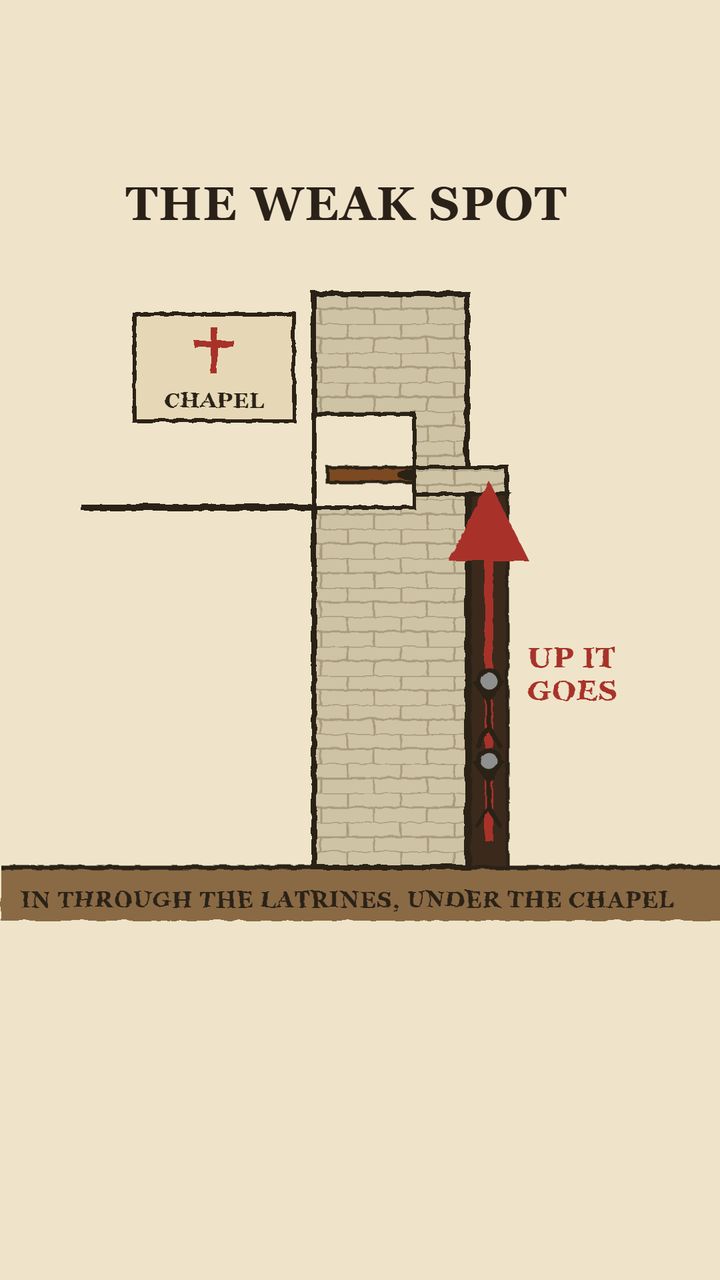
It is worth being careful about what we do and do not know. The sources do not agree on the name of the soldier involved: he appears as Bogis, Boggis or Ralph. So this page leaves the name out and sticks to what le Breton reports: soldiers got in through the latrines under the chapel.
What the sources do not tell us
Popular retellings of this episode often add colour that the sources used here do not support, so this page deliberately leaves several things out. We do not describe how the intruders proceeded once they were inside, because that is not part of the evidence checked for this story. We do not call Château Gaillard the largest castle in France or use similar superlatives. And we say nothing about grilles in the shafts. What remains is the core the sources support: a siege that began in September 1203, a latrine route under a chapel reported by an eyewitness, and a castle that fell in March 1204.
Lionheart and LacklandKing Richard, King John and the wars of conquestAffiliate linkAmazon →The fall of Château Gaillard
On 6 March 1204, Château Gaillard fell. Richard the Lionheart had built a super-castle high above the Seine, and according to the French king's own chaplain, one way in turned out to be the toilet.